Soft Life Strategies: Rituals That Protect Your Peace is about building a life that feels steady, intentional, and emotionally sustainable. A soft life is not about doing less for the sake of laziness; it is about removing unnecessary stress and choosing habits that support your well-being.
In a world that rewards urgency, constant availability, and overwork, peace has become a valuable form of discipline. The rituals you repeat each day shape how protected, rested, and grounded you feel.
What soft life really means
Soft life is a lifestyle centered on ease, balance, and peace of mind. It encourages you to slow down where possible, honor your energy, and stop glorifying exhaustion as a sign of success.
This approach does not mean avoiding responsibility. It means making decisions that reduce friction in your life, preserve your mental health, and help you show up with more clarity.
For many people, the soft life mindset starts with a simple question: what can I remove, simplify, or protect so my life feels lighter?
Why peace needs rituals
Peace rarely happens by accident. Most of the time, it is created through small routines that protect your attention, time, and energy.
Rituals matter because they create consistency. When you repeat calming behaviors daily, your nervous system begins to recognize those actions as safety cues.
That might look like:
- Starting the morning without checking your phone.
- Taking a quiet break before your day gets busy.
- Ending the evening with low stimulation.
- Setting boundaries around people or tasks that drain you.
These small acts become anchors. Over time, they help you feel less reactive and more in control.
Morning rituals that set the tone
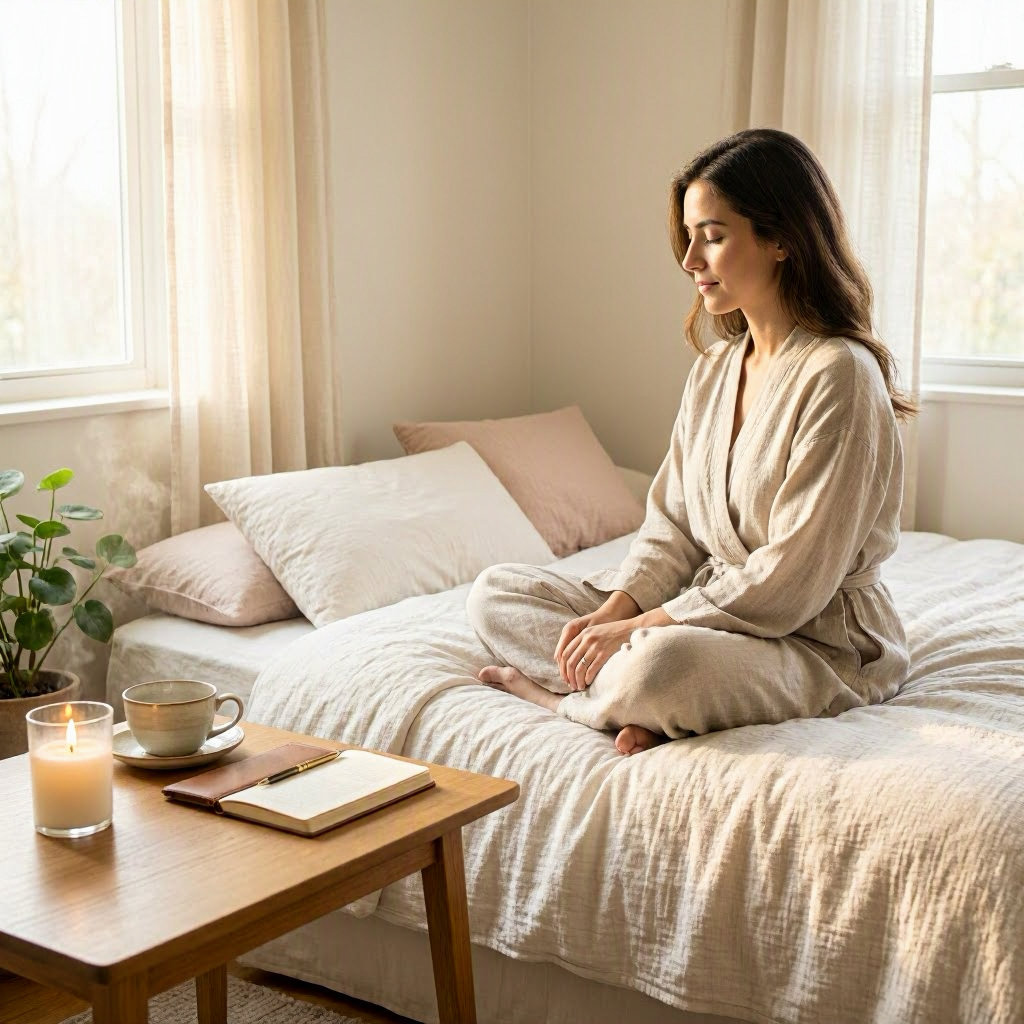
How you start your morning affects the rest of your day. A rushed morning often creates a rushed mindset, while a gentle routine can help you feel more centered.
A soft life morning does not need to be elaborate. It just needs to be intentional.
A calming morning ritual might include:
- Waking up without immediately reaching for your phone.
- Drinking water before anything else.
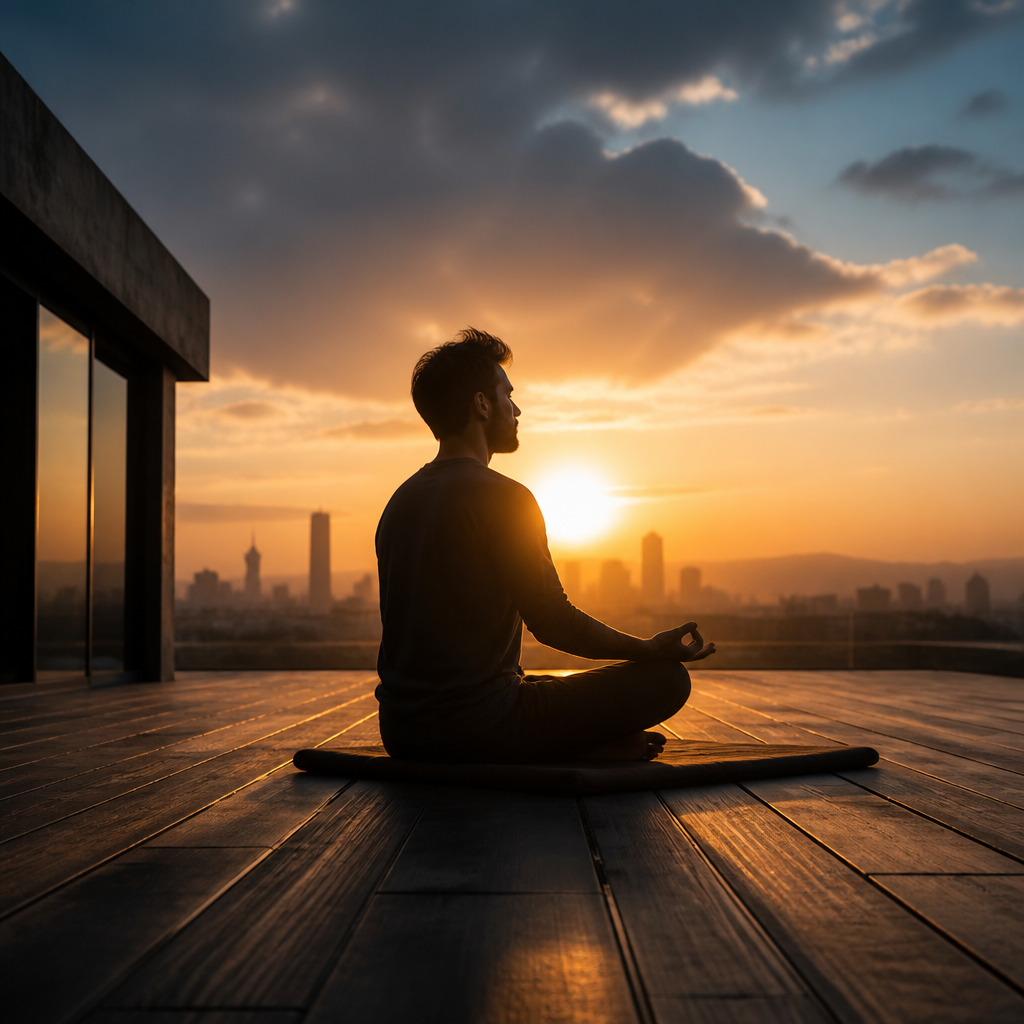
- Sitting quietly for a few minutes.
- Stretching or moving your body gently.
- Writing down your top priority for the day.
The point is not perfection. The point is to begin your day on your own terms instead of letting stress do it for you.
Boundaries as self-respect
Boundaries are one of the most important soft life strategies. They protect your peace by limiting what you allow into your time, energy, and emotional space.
Many people feel drained because they say yes too often, answer messages immediately, or accept obligations they do not have capacity for. Boundaries help you interrupt that pattern.
Examples of healthy boundaries include:
- Not responding to non-urgent messages after a certain hour.
- Saying no without overexplaining.
- Protecting your rest days.
- Limiting contact with draining conversations.
- Being honest about your capacity.
A boundary is not rejection. It is a way of making sure your life does not become overwhelmed by other people’s priorities.
Creating a calmer home
Your environment influences your mood more than you may realize. A cluttered, noisy, or chaotic space can make it harder to feel peaceful, even if nothing is directly wrong.
A soft life home supports rest, ease, and comfort. That does not require a perfect aesthetic or expensive decor. It requires spaces that feel functional and soothing.
Useful home rituals include:
- Keeping surfaces clear.
- Using soft lighting in the evening.
- Playing calming music or silence.
- Having a tidy spot for essentials.
- Making one area in the home feel especially restful.
The goal is to reduce visual and mental friction. When your space feels calmer, your mind often follows.
Protecting your energy
Energy is one of your most valuable resources. If you constantly give it away without replenishing it, burnout becomes almost inevitable.
Protecting your energy means paying attention to what drains you and what restores you. It also means choosing fewer, better commitments instead of saying yes to everything.
Some energy-protecting habits include:
- Grouping tasks to reduce mental switching.
- Avoiding unnecessary drama.
- Spending time with people who feel safe and supportive.
- Taking breaks before you feel completely depleted.
- Choosing slow moments that let your mind rest.
A soft life is not built by escaping life. It is built by being selective about where your energy goes.
Slowing down without guilt
Many people feel guilty when they slow down, especially if they are used to being productive all the time. But rest is not wasted time. It is part of maintenance.
Slowing down can be one of the most powerful ways to protect your peace. When you move with less urgency, you think more clearly and make better choices.
You might slow down by:
- Taking walks without multitasking.
- Eating without rushing.
- Leaving extra time between commitments.
- Choosing one task instead of five.
- Allowing a quiet evening with no agenda.
This kind of pace can feel unfamiliar at first, but it often creates a deeper sense of stability.
Emotional rituals that restore balance
Peace is not only physical. It is also emotional. That means your daily rituals should support how you process feelings, stress, and internal pressure.
Emotional rituals do not need to be complicated. They just need to create space for honesty and release.
Examples include:
- Journaling for a few minutes.
- Speaking kindly to yourself.
- Taking a pause before reacting.
- Praying or meditating.
- Listening to music that calms you.
These practices help you stay connected to yourself. They also make it easier to respond thoughtfully instead of emotionally spiraling.
Digital peace matters too
Your phone, inbox, and social media habits can either support peace or destroy it. Constant stimulation can make it hard to relax, focus, or hear your own thoughts.
Protecting your digital space is an important soft life strategy. It helps you reduce noise and create more room for real life.
Simple digital rituals include:
- Turning off nonessential notifications.
- Keeping your phone out of reach during meals.
- Setting app limits.
- Creating screen-free time before bed.
- Unfollowing accounts that create stress or comparison.
Digital peace is not about rejecting technology. It is about using it intentionally so it does not control your attention.
Rest as a priority
Rest should not be something you earn only after exhaustion. It should be part of your routine from the beginning.
Good rest improves mood, focus, patience, and overall resilience. Without it, even small problems can start to feel overwhelming.
Rest can look like:
- Sleeping enough each night.
- Taking naps when needed.
- Sitting in silence.
- Reading for pleasure.
- Giving yourself time with no productive goal.
A soft life does not treat rest as a luxury. It treats rest as necessary.
Joy is part of peace
Protecting your peace is not only about removing stress. It is also about adding joy. A life that is calm but joyless is not fully nourishing.
Joy can be found in simple things: fresh flowers, a clean kitchen, a favorite drink, a good conversation, or a slow morning. These moments matter because they remind you that life is not only about surviving demands.
You can build joy into your routine by:
- Scheduling time for things you genuinely enjoy.
- Keeping small comforts around you.
- Making space for hobbies.
- Celebrating progress, even when it is small.
Joy does not need to be dramatic to be meaningful. Often, it is the quiet moments that make life feel softest.
A soft life routine
A soft life routine does not need to be perfect or elaborate. It just needs to support the version of you that feels calm, clear, and protected.
A simple daily rhythm might look like this:
- Morning: slow start, water, quiet time, gentle planning.
- Midday: boundaries, focused work, short breaks.
- Evening: lighter stimulation, tidying, reflection, rest.
You can adjust this based on your life, but the pattern stays the same: begin gently, protect your energy, and end with restoration.
Final thoughts
Soft Life Strategies: Rituals That Protect Your Peace is ultimately about choosing a way of living that feels sustainable. Peace grows when you repeat small habits that reduce stress, support rest, and honor your limits.
You do not need to transform your whole life at once. Start with one ritual, one boundary, or one calmer habit, and build from there. Over time, those choices create a life that feels more peaceful, more intentional, and more your own.