
Key Takeaways
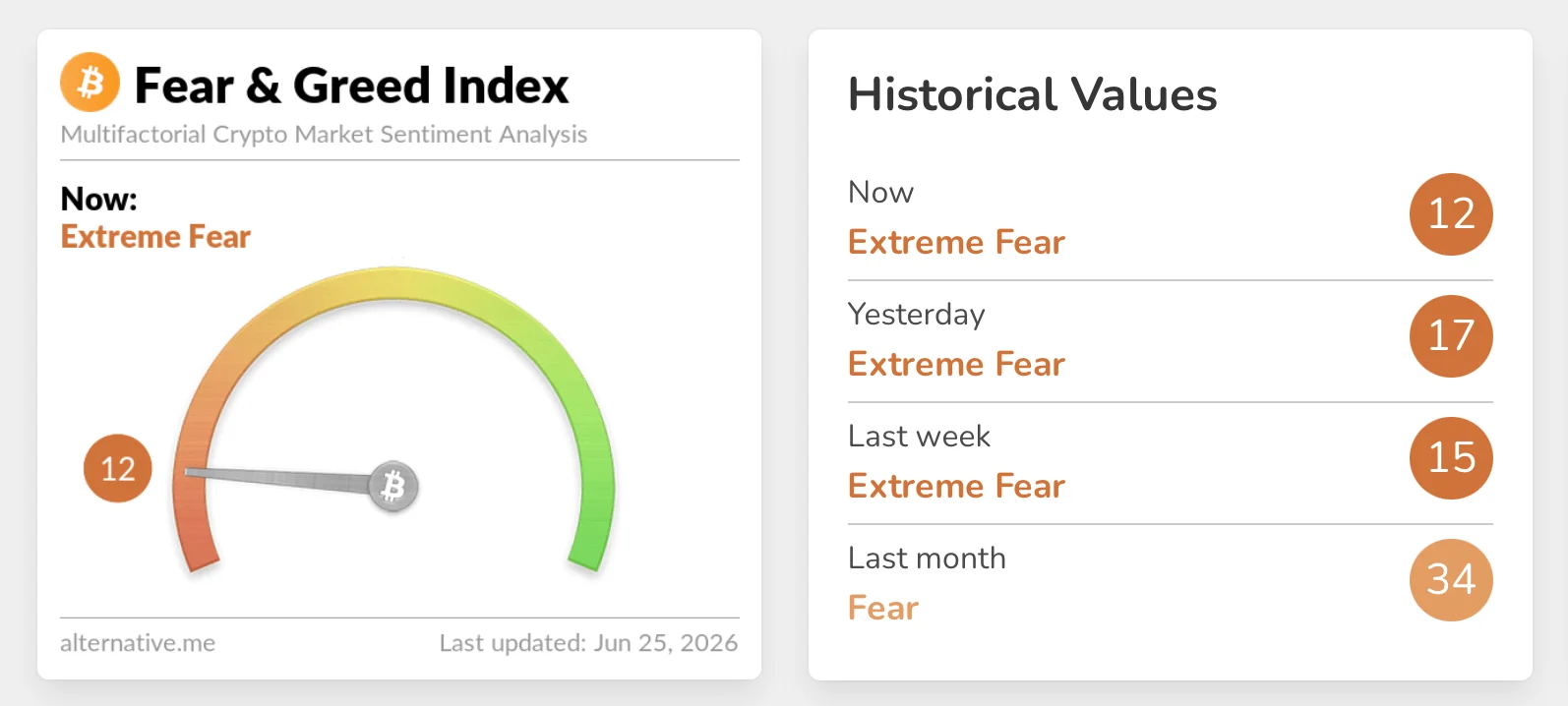
- Kospi’s 8% drop and BTC’s fall to $59,018 show global tech contagion, per Mike McCluskey.
- Nvidia and Micron pullbacks drove $700M liquidations as ETF outflows eased mid‑week.
- Strive’s BTC buys and the 200‑week MA signal support ahead of Friday’s $60K expiry test.
The Seoul-to-Nasdaq Contagion
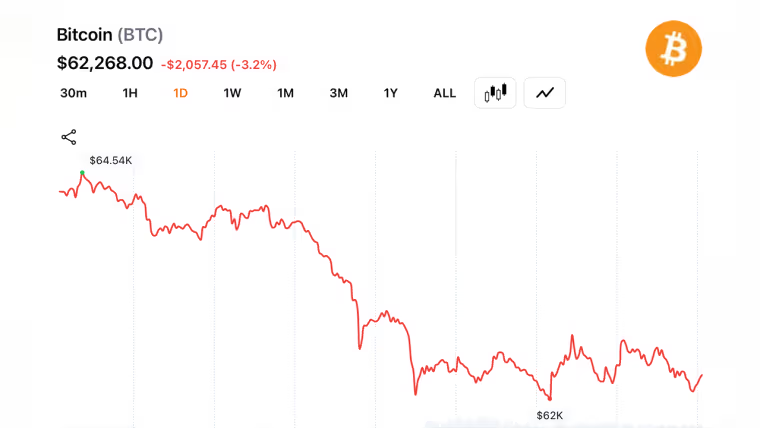
On Tuesday, June 23, the South Korean index, Kospi, plunged by more than 8%, triggering a Level 1 circuit breaker. The sharp drop was attributed to a severe global semiconductor stock correction, heavy retail margin liquidations and massive foreign capital outflows. On the same day, bitcoin also plummeted from over $64,000 to under $62,000, a drop that some analysts attributed to souring investor sentiment.
While the slide continued into Wednesday, Mike McCluskey, co-founder of Tx and a former Fidelity executive, insists the sell-off of tech stocks in Seoul precipitated bitcoin’s downtrend, which ultimately saw it drop to $59,018.
“The volatility defining bitcoin’s recent trajectory is largely an external phenomenon. We are observing a classic risk-off contagion, originating from a severe semiconductor correction in Seoul (where the Kospi’s 10% plunge triggered circuit breakers) and migrating directly into the Nasdaq. With AI and chip leaders like Nvidia and Micron facing substantial pullbacks, bitcoin’s slide toward the $62,000 level is primarily a function of its high-beta relationship to tech equities rather than a localized narrative,” McCluskey argued.
Despite the $700 million in long liquidations, funding rates remained “remarkably neutral” throughout the descent. According to McCluskey, this likely means that leverage was not excessively front-run. Instead of a structural failure, he argues that the market is witnessing a situation “with fragile conviction being interrogated by an exogenous risk event, rather than a breakdown in crypto-native fundamentals.”
Following the plunge, bitcoin climbed back above $61,500 and at one point (3:44 a.m. EDT) appeared poised to test the $62,000 mark before losing momentum. The volatility of the top cryptocurrency and the broader crypto economy saw liquidations mount to $1 billion by Thursday morning. Some analysts warned of a further decline for bitcoin in the near future, especially given continuing outflows from exchange-traded funds.
However, McCluskey noted that even as outflows persist, their magnitude has somewhat diminished, suggesting that institutional investors are buying again.
“Conversely, entities like Strive and Strategy utilized the dip to increase their holdings by several hundred BTC, signaling that sophisticated buyers are stepping in as sentiment hits extreme fear. Bitcoin’s current proximity to its 200-week moving average further reinforces this, as this level has historically served as a critical psychological and technical floor,” he said.
Looking ahead, McCluskey said confirmation of robust artificial intelligence infrastructure demand would be the most immediate stabilizer for the risk-off impulse currently weighing on digital assets.
“Conversely, a disappointment there ensures that bitcoin continues to trade as a proxy for the chip sector’s turbulence. Into the Friday expiry, the $60,000 threshold remains the definitive line in the sand. Given the heavy put concentration at this strike, a successful defense would confirm that dip buyers maintain control; a breach, however, would likely accelerate the downside in this thin liquidity environment,” the former Fidelity executive said.