


If you rely on Social Security today or expect to in the future, there’s one date you should have on your radar — 2032. Granted, that’s kind of a broad date. But you should know that it’s the year when Social Security’s Old-Age and Survivors Insurance (OASI) Trust Fund is projected to run out of reserves.
In fact, if you want to get specific, the OASI Trust Fund is expected to be emptied during the fourth quarter of 2032, according to the Social Security Trustees. And the reason you should care is that Social Security may be forced to cut benefits by 22% at that point in time, since incoming revenue is only expected to cover 78% of those monthly checks.
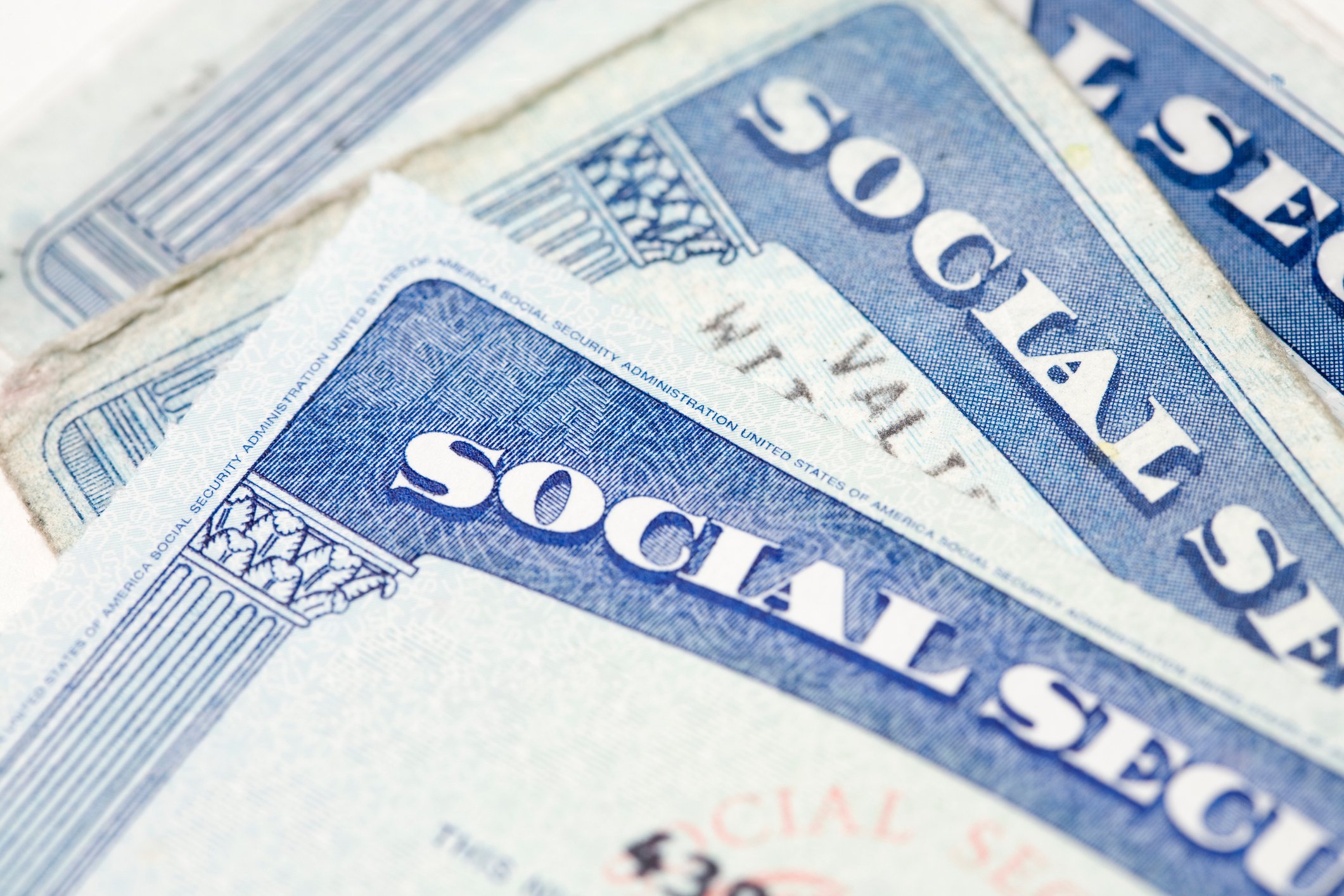
Image source: Getty Images.
Clearly, that’s bad news. But there is a silver lining.
Social Security isn’t going broke
For years, there have been rumors flying that Social Security is on the verge of bankruptcy. But that can’t happen. Since the program gets the majority of its funding from payroll taxes, Social Security can continue paying benefits even if its OASI Trust Fund balance is whittled down to $0.
Still, a 22% benefit cut could be significant for anyone who relies on Social Security for most of their retirement income. And there are plenty of people in that boat today.
Now, another positive thing to note is that Social Security has faced funding crunches in the past, and lawmakers have never allowed the program to actually cut benefits. But that doesn’t mean they’ll be able to fully prevent cuts this time around. So it’s best to prepare accordingly.
How you can prepare for potential benefit cuts
While lawmakers may still enact Social Security reforms before 2032 that stave off benefit cuts, that’s not something to bank on. So it’s important to protect yourself in case those cuts happen.
If you’re already retired, consider reviewing your monthly budget and identifying expenses that could be reduced if benefits were cut. Or, better yet, reduce those expenses now and build yourself an emergency fund of sorts. If personal spending cuts aren’t enough to help you build savings, you may want to consider going back to work in some capacity.
If you’re still working, increasing contributions to a 401(k), IRA, or another retirement account could help you build a larger financial cushion. Even a modest increase in your savings rate could have a significant impact over time due to compounded growth.
It’s also important not to make emotional decisions about claiming Social Security based solely on fears of insolvency. Filing for benefits ahead of full retirement age will typically reduce your monthly checks permanently. Claiming early because you think Social Security is running out of funding could put you in an even worse position if benefits are cut — or not.
All told, 2032 could become a defining year for Social Security. Whether you’re already collecting benefits or are years away from retirement, preparing now could help ensure that you’re better positioned for whatever changes may lie ahead.







Leave a Reply